The Future of Science Tutoring: Trends to Watch


The Rise of Online Platforms
The evolution of digital technology has significantly impacted science tutoring. Today, many students and tutors are leveraging online platforms that offer flexibility and convenience. These platforms allow students to connect with expert tutors from around the world, providing access to a vast pool of knowledge that was previously unreachable. With tools like video conferencing and interactive whiteboards, online tutoring can be as effective as in-person sessions.
Moreover, these platforms often incorporate AI-driven algorithms to match students with tutors who best suit their learning styles and needs. This personalized approach enhances the learning experience, making it more efficient and tailored to individual requirements.

Gamification in Science Education
Gamification is another trend transforming the landscape of science tutoring. By integrating game-like elements into educational content, tutors can make learning more engaging and enjoyable. This approach not only captures students' attention but also encourages them to explore complex scientific concepts in a fun and interactive way.
For instance, educational games and simulations can help students visualize abstract concepts and apply them in virtual environments. This hands-on experience is invaluable in subjects like chemistry and physics, where experimentation is crucial for understanding.
The Role of Artificial Intelligence
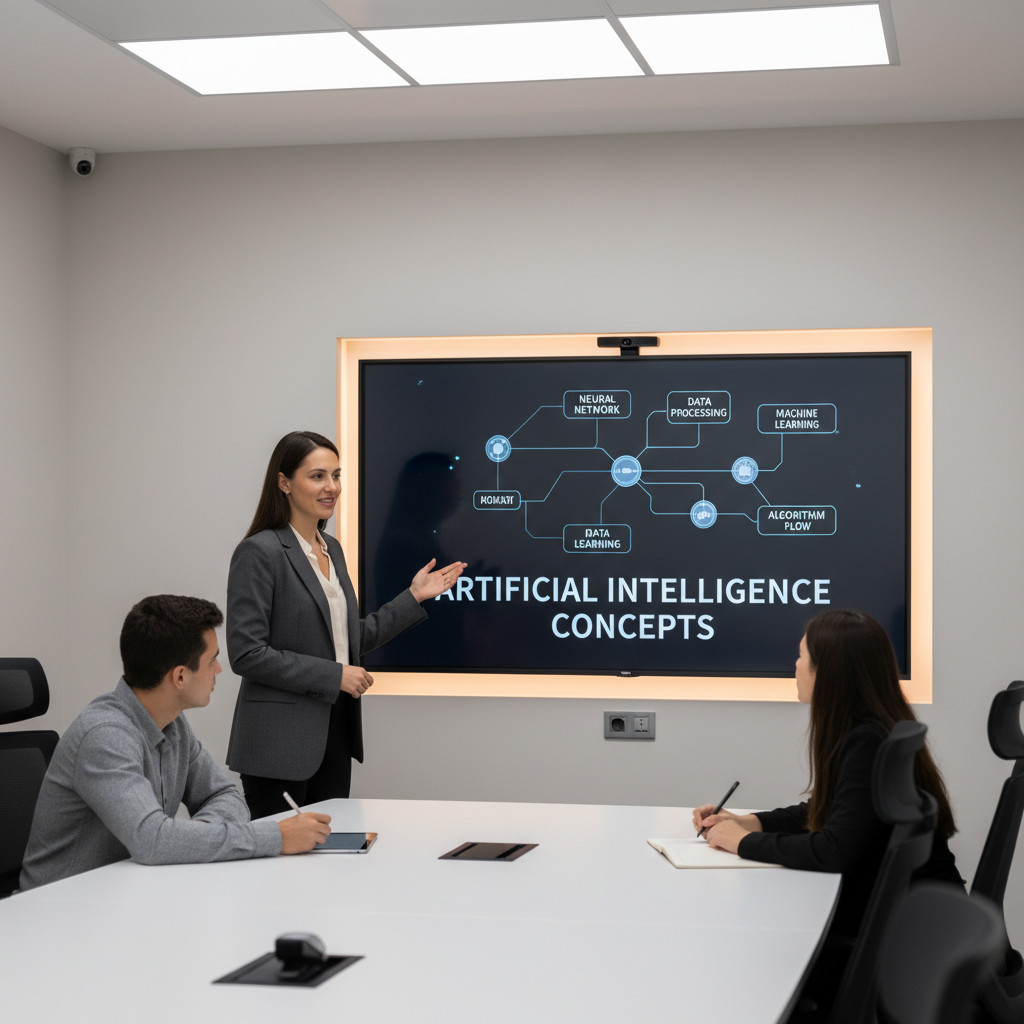
Artificial Intelligence (AI) is playing an increasingly important role in science tutoring. AI can assist in creating adaptive learning systems that adjust to the pace and style of each student. This personalization ensures that students receive the right level of challenge to keep them motivated and engaged.
Additionally, AI-powered tools can provide instant feedback and identify areas where students struggle, allowing tutors to focus on specific problem areas. This targeted approach can significantly enhance learning outcomes and build confidence in students.
Augmented and Virtual Reality in Tutoring
Augmented Reality (AR) and Virtual Reality (VR) are revolutionizing how science is taught. These technologies provide immersive learning experiences that can transport students to different environments, such as a virtual laboratory or even outer space. This level of immersion can deepen understanding and make complex concepts more accessible.
As these technologies become more affordable and accessible, they are likely to become integral tools in science tutoring, offering experiences that traditional methods cannot match.
Data-Driven Insights
Data analytics is becoming an essential component of science tutoring. By analyzing data on student performance, tutors can gain insights into learning patterns and preferences. This information can inform teaching strategies and help in developing customized lesson plans that cater to the unique needs of each student.

Furthermore, data-driven approaches can track progress over time, providing both students and parents with a clear picture of academic growth and areas that need improvement.
The Importance of Soft Skills
While technical knowledge is crucial in science education, the development of soft skills is also gaining attention. Tutors are increasingly focusing on fostering critical thinking, problem-solving, and collaboration skills. These competencies are essential for success in both academic and professional settings.
By integrating activities that promote these skills into science tutoring, students can become well-rounded individuals prepared for future challenges.