Seasonal Science Projects: Engaging Experiments for Every Season


Spring: Exploring Plant Growth
Spring is a season of renewal and growth, making it the perfect time to delve into plant biology. A simple yet engaging project is to explore how different conditions affect seed germination. Gather a variety of seeds, such as beans or sunflowers, and plant them in different environments—some in sunlight, others in shade, and some in varying moisture levels.

Record the growth progress over several weeks and compare the results. This experiment helps students understand the importance of light, water, and temperature in plant development, offering valuable insights into the science of ecology and botany.
Summer: Solar Energy Experiments
Summer's abundant sunshine provides an excellent opportunity to study solar energy. One exciting project is building a simple solar oven using a pizza box, aluminum foil, and plastic wrap. This experiment demonstrates how solar energy can be harnessed for cooking by reflecting and trapping heat.
Students can test the oven by cooking s'mores, melting chocolate, or even baking cookies. By observing how solar ovens work, students gain a practical understanding of renewable energy sources and their potential to power our future.
Fall: Investigating Leaves and Photosynthesis
As leaves change color and fall, students can explore the science behind this transformation. A classic experiment involves extracting pigments from leaves to understand photosynthesis better. Collect leaves of different colors and use rubbing alcohol to separate the pigments on coffee filter paper.
This chromatography experiment reveals the hidden colors in leaves and explains how chlorophyll breaks down, allowing other pigments to become visible. It's a captivating way to learn about the chemistry of plants and the seasonal changes they undergo.
Winter: Ice and Crystal Formation
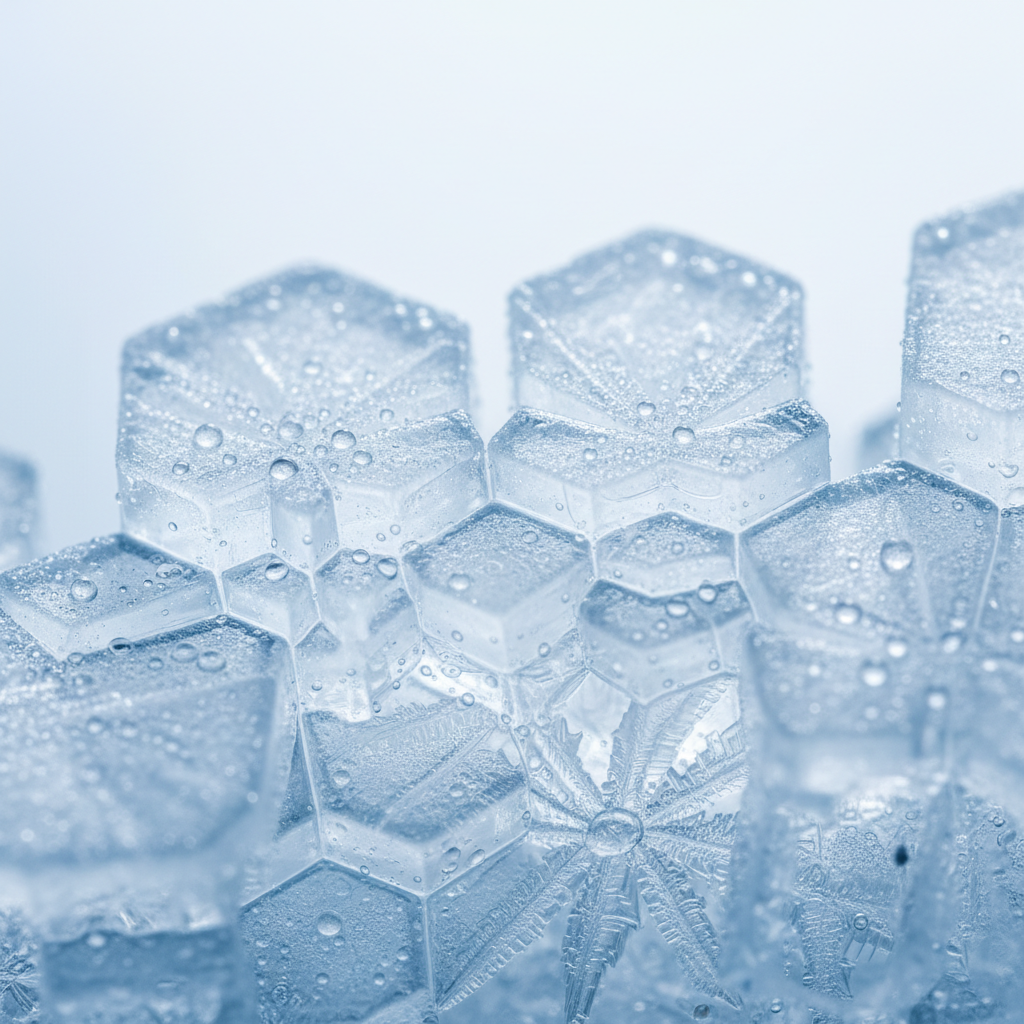
Winter offers a unique chance to study the properties of water and ice. A fascinating project is growing borax crystals, which mimics natural crystal formation. Dissolve borax in hot water, suspend a pipe cleaner in the solution, and watch crystals form over a few days.
This experiment not only illustrates crystallization but also encourages creativity as students design their own crystal shapes. It's a perfect blend of art and science, showcasing the beauty of winter's icy wonders.
Conclusion: Science All Year Round
Seasonal science projects provide a dynamic way to engage students with their environment. By integrating natural changes into the learning process, these experiments foster curiosity and a deeper appreciation for science.
Encouraging hands-on learning through seasonal themes helps students connect theoretical knowledge with real-world applications. Science becomes not just a subject to study, but a fascinating lens through which to view the world.