Seasonal Science Projects: Engaging Activities for All Year Round


Engaging children in science can be a rewarding experience, especially when you can align activities with the changing seasons. Seasonal science projects offer an excellent way to integrate hands-on learning with the natural world. These projects not only stimulate curiosity but also provide practical knowledge that lasts a lifetime.
Whether it's spring, summer, autumn, or winter, each season brings unique opportunities to explore scientific concepts. Let's dive into some exciting science projects you can enjoy throughout the year.
Spring: The Season of Growth
Plant Germination Experiments
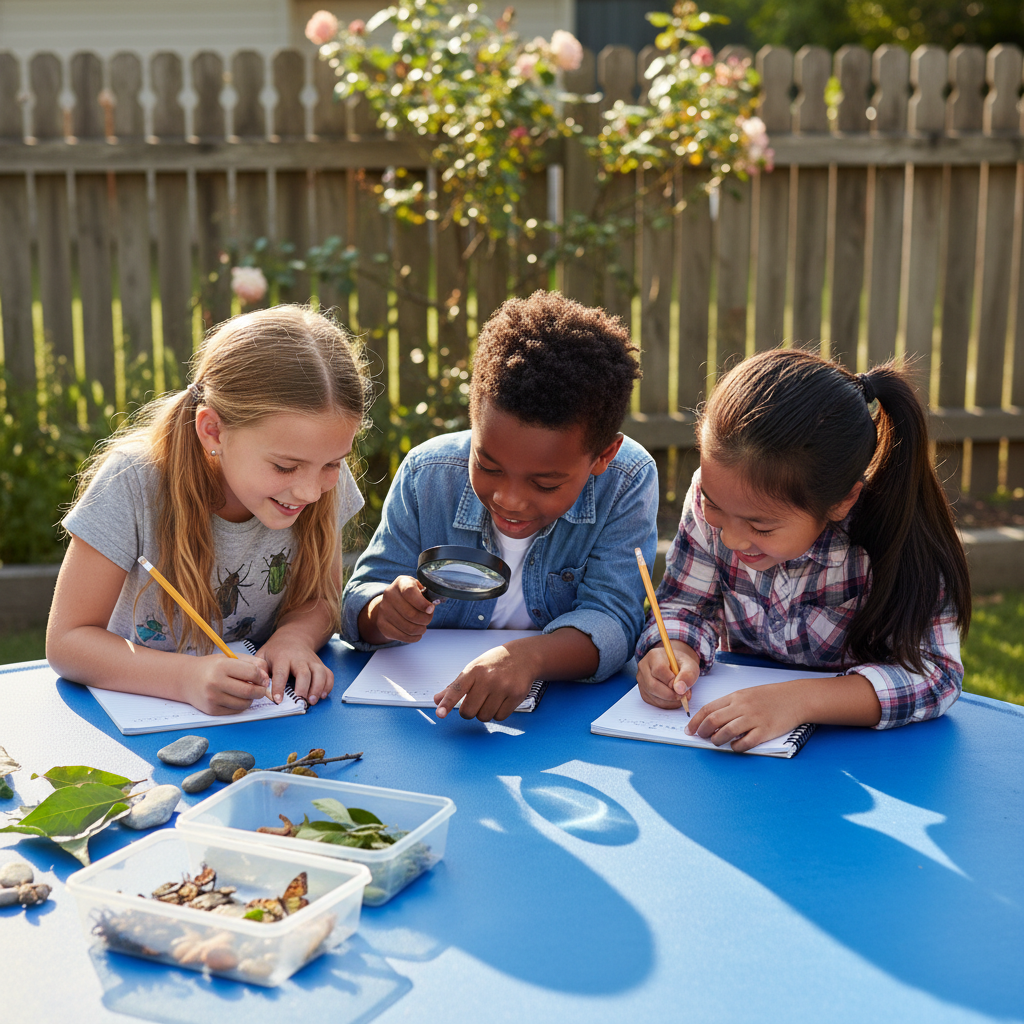
Spring is synonymous with new beginnings, making it the ideal time to explore plant growth. A simple germination experiment can reveal the wonders of plant biology. Use everyday items like beans and a damp paper towel to watch seeds sprout and grow. This project can teach children about photosynthesis, root development, and the lifecycle of plants.
Weather Tracking
Spring often brings unpredictable weather. Engage children in tracking weather patterns by creating a simple weather station. Using tools like thermometers, barometers, and rain gauges, kids can record data and compare it to weather forecasts. This activity not only introduces meteorology but also hones analytical skills.

Summer: Exploring the Sun and Water
Solar-Powered Projects
Harness the power of the sun with solar experiments. Constructing a solar oven can be a fun way to explore renewable energy. Using materials like a pizza box, aluminum foil, and plastic wrap, children can learn how sunlight is converted into heat energy to cook food.
Water Filtration
Summer is perfect for water-related experiments. Create a simple water filtration system using sand, gravel, and charcoal. This project can demonstrate the principles of filtration and purification, teaching kids about clean water and its importance.
Autumn: The Science of Change
Leaf Chromatography
As leaves change color, explore the science behind this transformation with a chromatography experiment. By using coffee filters and rubbing alcohol, children can separate and observe different pigments in leaves. This activity showcases the chemistry of why leaves change color.
Decomposition and Composting
Autumn is a great time to study decomposition. Start a compost bin and observe how organic matter breaks down over time. This project introduces concepts of ecology and the carbon cycle, emphasizing sustainability and environmental responsibility.
Winter: Discovering Cold Weather Science
Crystal Formation
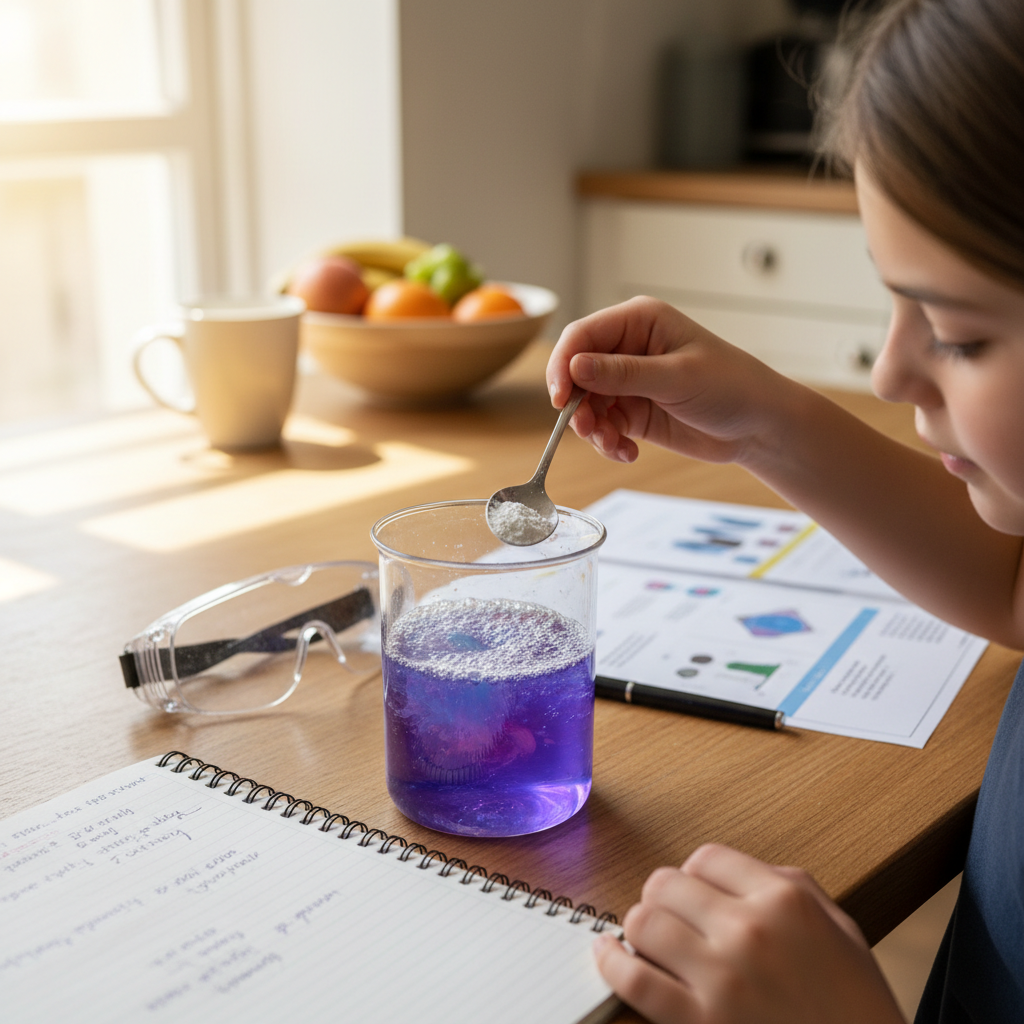
Winter's chilly temperatures offer a chance to explore crystal formation. By creating salt or sugar crystals, children can observe crystallization firsthand. This experiment highlights concepts in chemistry and mineralogy.
Insulation Experiments
Investigate how animals stay warm with insulation experiments. Use different materials to insulate a container of warm water, then measure how well each material prevents heat loss. This project helps explain thermal insulation and adaptation in nature.
By incorporating science projects into each season, you can foster a year-round love for learning and discovery. These activities offer a perfect blend of education and fun, ensuring that children remain engaged and inspired throughout the year.