Interactive Science Experiments You Can Do at Home


Exploring the Wonders of Science at Home
Science isn't just a subject to be studied in school—it's an exciting adventure that can be explored right at home. With a few simple materials, you can conduct interactive science experiments that are both educational and fun. Here’s how you can start your journey into the world of home-based science exploration.

Experiment with Density: The Magic of Floating Eggs
Density is a fascinating concept that can be easily demonstrated with an egg and some salt. This experiment shows how adding salt to water changes its density, making the egg float.
- Fill a glass with water and gently place an egg in it. Notice how it sinks.
- Add a tablespoon of salt and stir well. Carefully place the egg back in and observe.
- Continue adding salt, one tablespoon at a time, until the egg floats.
This simple experiment provides a visual understanding of density and buoyancy. It's a great way to introduce children to basic scientific principles.
Colorful Chemistry: Create a Homemade Lava Lamp
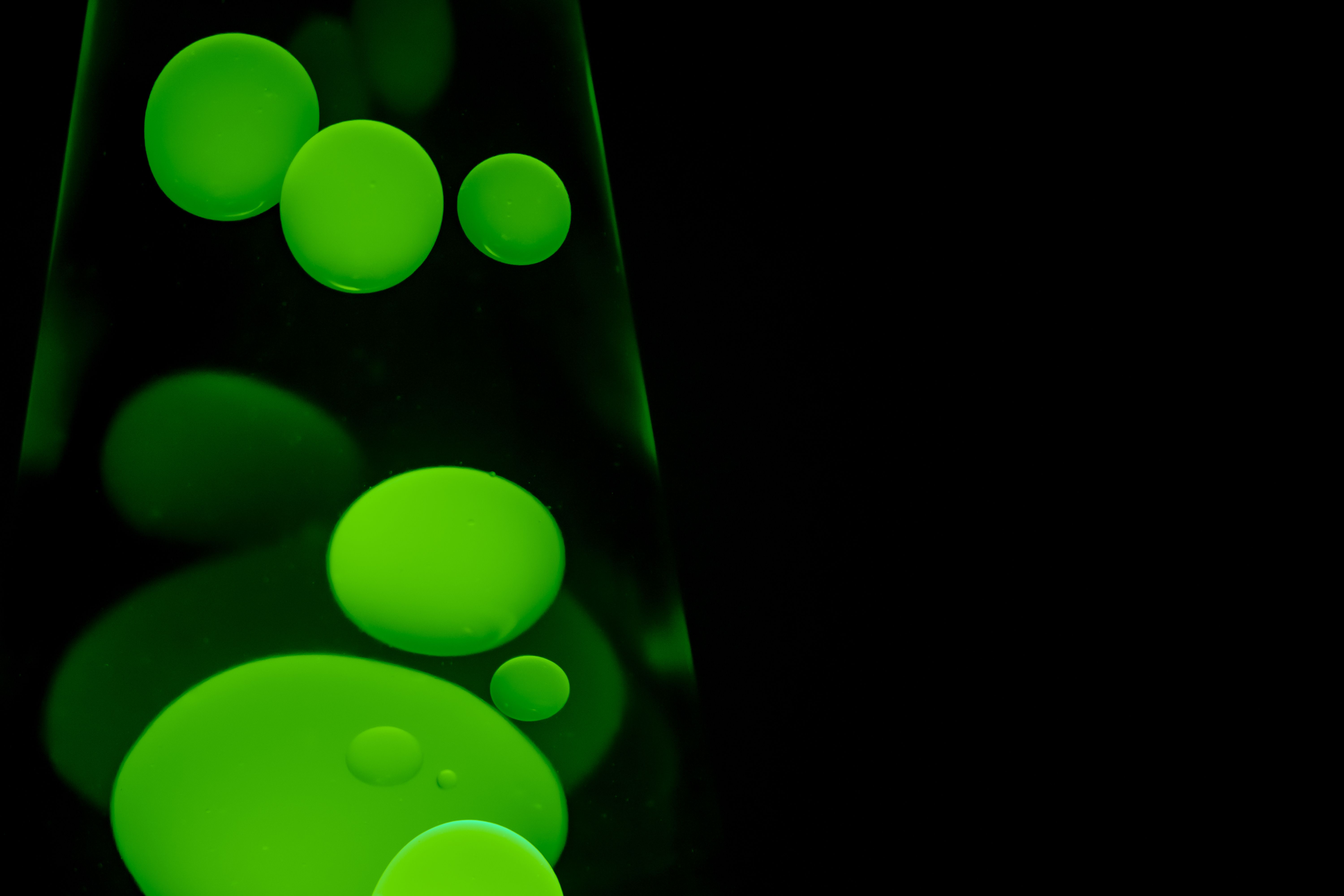
Turn your kitchen into a chemistry lab with a homemade lava lamp. This experiment demonstrates the interaction between oil and water, along with the effects of carbonation.
- Fill a clear bottle halfway with water, then add vegetable oil, leaving some space at the top.
- Watch as the oil floats on top due to its lower density.
- Add a few drops of food coloring to color the water, and then drop in an effervescent tablet.
Enjoy the mesmerizing movement as colorful bubbles rise and fall, creating a lava lamp effect. This experiment is a delightful way to explore liquid density and chemical reactions.
Static Electricity: Dancing Paper Ghosts
Static electricity is an intriguing phenomenon that can make paper ghosts dance. This experiment is perfect for a spooky science session.
- Cut small ghost shapes out of tissue paper.
- Rub a balloon vigorously on your hair or a wool sweater.
- Hold the balloon close to the paper ghosts and watch them lift and move.
The static charge on the balloon attracts the light tissue paper, creating a fun and educational display of static electricity in action.
Crystal Creations: Growing Sugar Crystals
Growing your own sugar crystals is a sweet way to learn about crystallization. This experiment requires patience but yields beautiful results.
- Boil water and dissolve as much sugar as possible to create a supersaturated solution.
- Pour the solution into a jar and suspend a string or stick in the liquid.
- Place the jar in a warm, undisturbed place and wait for crystals to form.
Over a few days, you'll see sugar crystals start to grow on the string. This experiment not only produces a tasty treat but also teaches about the process of crystallization.
These interactive science experiments are just the beginning of what you can explore at home. They provide hands-on learning experiences that engage curiosity and creativity. So gather your materials, spark your imagination, and dive into the exciting world of science!