Exploring the Latest Trends in Science Education


Introduction to Modern Science Education
In recent years, science education has undergone a remarkable transformation. With rapid advancements in technology and pedagogy, educators are finding new ways to engage students and foster a deeper understanding of scientific concepts. This shift is not just about integrating technology but also about rethinking how science is taught and learned.
Embracing Technology in the Classroom
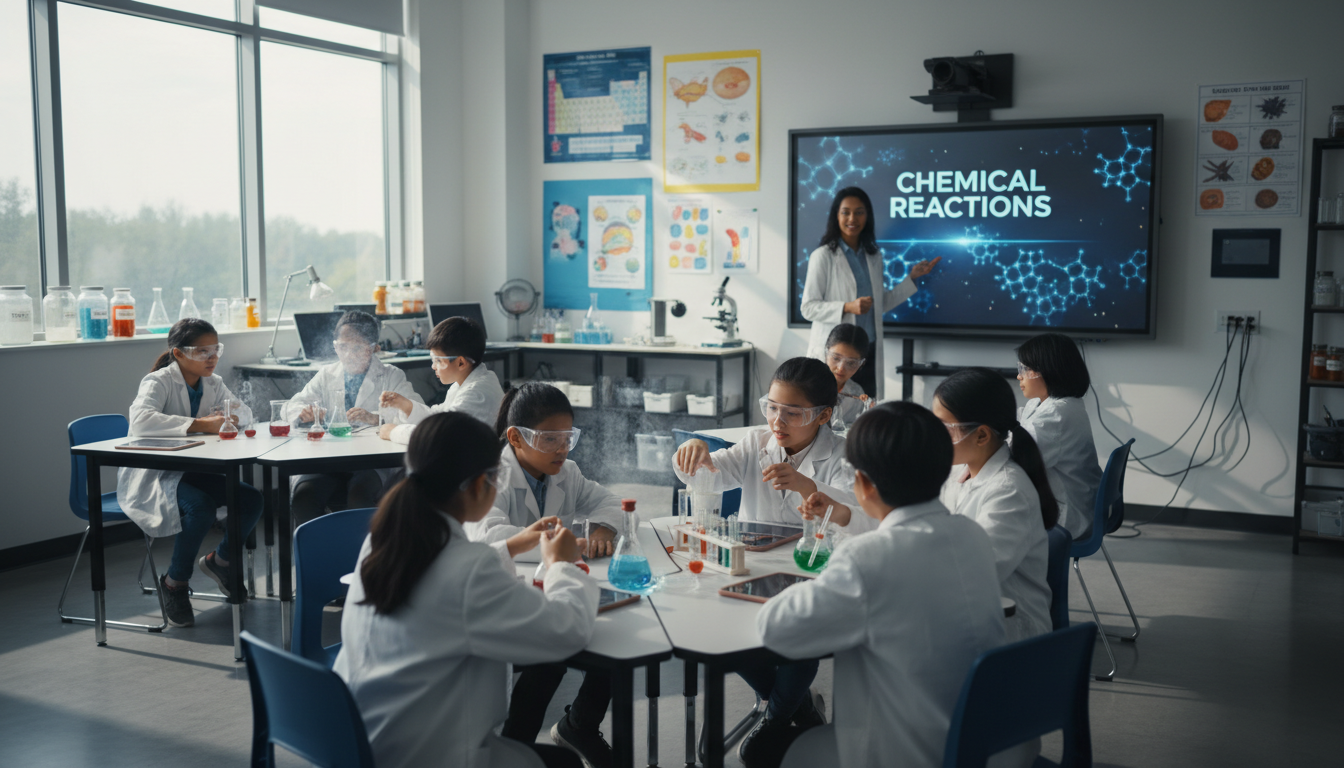
One of the most significant trends in science education is the integration of technology. Tools like virtual reality (VR) and augmented reality (AR) are providing students with immersive learning experiences. These technologies allow students to explore complex scientific phenomena in a virtual environment, making abstract concepts more tangible.
Moreover, online platforms and digital resources have made science education more accessible than ever. Students can now access a plethora of interactive simulations and experiments, enabling hands-on learning even outside the traditional laboratory setting.
Gamification of Science Education
Gamification is another exciting trend that is reshaping science education. By incorporating game elements like points, badges, and leaderboards, educators are making learning more engaging and motivating. This approach not only enhances student interest but also improves retention of scientific knowledge.

Focus on Interdisciplinary Learning
Science education is increasingly embracing an interdisciplinary approach. By integrating subjects like mathematics, technology, engineering, and art into science curricula, educators are fostering a more holistic understanding. This approach encourages students to make connections between different fields, enhancing their problem-solving and critical-thinking skills.
For instance, STEAM (Science, Technology, Engineering, Art, and Mathematics) education highlights the importance of creativity in scientific exploration, encouraging students to innovate and think outside the box.
Project-Based Learning
Project-based learning (PBL) is gaining traction as a powerful method to teach science. In PBL, students work on real-world projects that require them to apply scientific concepts. This method not only enhances comprehension but also develops essential skills like collaboration and communication.

Emphasis on Environmental Science
With growing awareness of environmental issues, there is a heightened focus on environmental science education. Schools are increasingly incorporating topics like climate change, sustainability, and conservation into their science curricula. This focus aims to equip students with the knowledge and skills needed to address pressing environmental challenges.
Interactive activities, such as community projects and field trips, are being used to provide students with firsthand experience in environmental science, fostering a sense of responsibility and stewardship for the planet.
Personalized Learning Paths
Personalized learning is becoming a cornerstone of modern science education. By leveraging data and analytics, educators can tailor learning experiences to meet the unique needs of each student. This approach ensures that students receive the support and challenges they need to succeed.
Adaptive learning technologies are playing a crucial role in this trend, allowing educators to provide customized feedback and resources, enhancing the overall learning experience.
Conclusion
The landscape of science education is rapidly evolving, driven by technological advancements and innovative teaching strategies. By embracing these trends, educators are not only enhancing the learning experience but also preparing students to thrive in an increasingly complex world. As these trends continue to develop, the future of science education looks promising and full of potential.