Exploring the Latest Trends in Educational Tutoring


Introduction to Modern Educational Tutoring
In recent years, the educational tutoring landscape has undergone a significant transformation. With advancements in technology and changing educational needs, tutors are adopting innovative approaches to enhance learning experiences. This blog post explores the latest trends in educational tutoring, providing insights into how these changes are shaping the future of education.

Personalized Learning
One of the most impactful trends in tutoring is the shift towards personalized learning. Tutors are increasingly using data-driven approaches to tailor lessons to individual student needs. This customization not only helps in addressing specific learning gaps but also fosters a more engaging and efficient learning environment. By analyzing a student's strengths and weaknesses, tutors can create a bespoke curriculum that maximizes educational outcomes.
Adaptive Learning Technologies
Adaptive learning technologies play a crucial role in personalizing education. These tools use algorithms to adjust content in real-time, ensuring that each student is challenged appropriately. Such technologies are particularly beneficial in large classrooms where individualized attention is limited. By integrating these tools, tutors can provide a more tailored educational experience, enhancing student engagement and success.

Online Tutoring Platforms
The rise of online tutoring platforms has revolutionized access to education. These platforms offer a wide range of subjects and expert tutors from around the world, making it easier for students to find help tailored to their needs. Online tutoring breaks geographical barriers, allowing for more flexible scheduling and a broader selection of tutors.
Interactive Learning Tools
Online tutoring platforms often incorporate interactive learning tools such as virtual whiteboards, video conferencing, and real-time messaging. These tools facilitate a more dynamic and interactive learning experience, closely mimicking the benefits of in-person tutoring. By using these tools, tutors can keep students engaged and make complex topics more accessible.

Focus on Soft Skills
While academic knowledge is crucial, there is an increasing emphasis on developing soft skills through tutoring. Skills such as critical thinking, communication, and problem-solving are becoming more valued in today's job market. Tutors are integrating activities and discussions that promote these skills, preparing students for future challenges beyond traditional academics.
Project-Based Learning
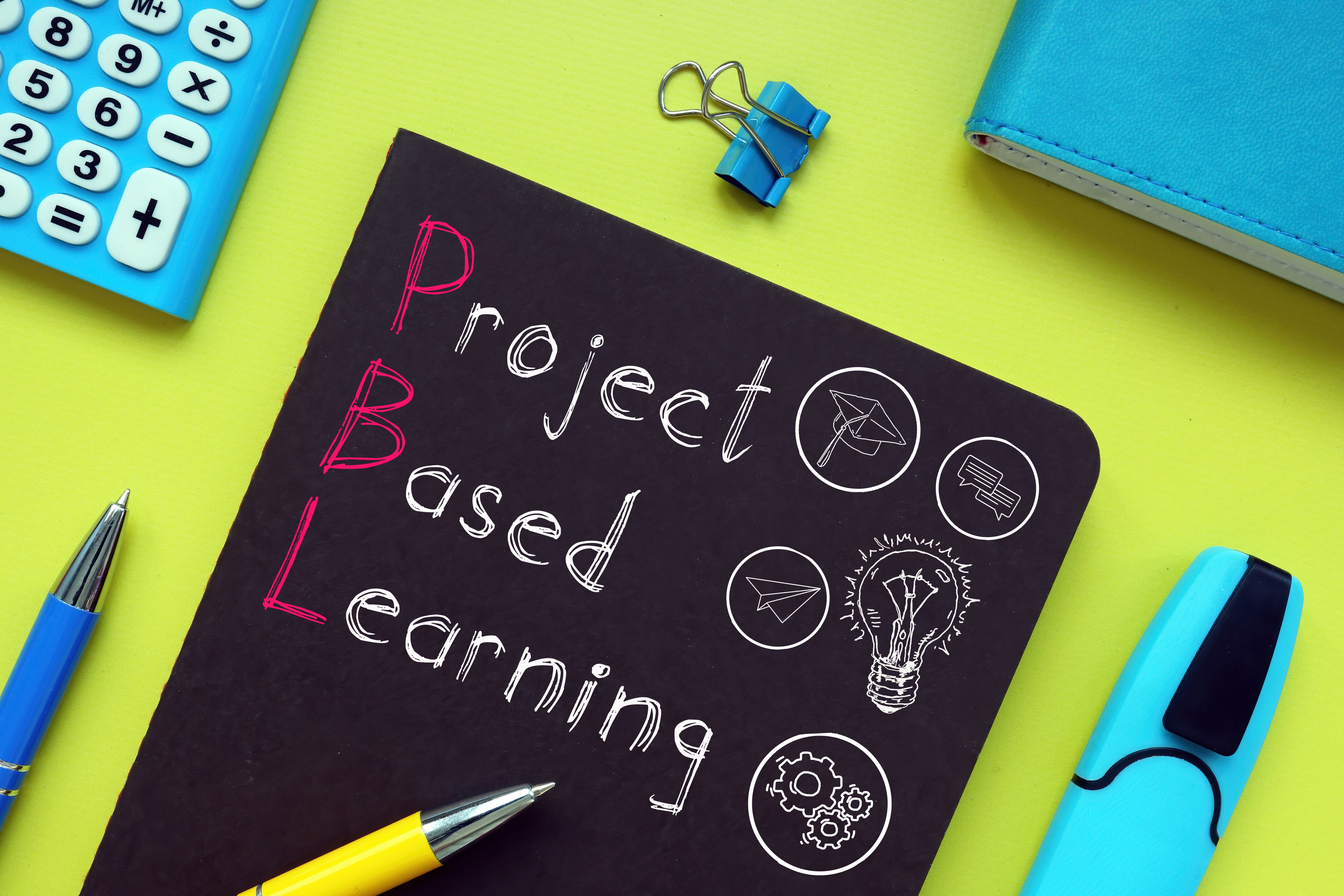
Project-based learning is an effective method for developing soft skills. This approach encourages students to work on real-world projects, fostering collaboration and innovation. Tutors guide students through the process, helping them learn how to apply academic concepts in practical situations. This hands-on experience is invaluable in nurturing a well-rounded skill set.
Conclusion
The trends in educational tutoring highlight a shift towards a more personalized, accessible, and holistic approach to learning. As technology continues to evolve, so too will the methods and strategies used by tutors. By staying informed about these trends, educators and students alike can take advantage of new opportunities to enhance the educational experience.