Exploring Innovations in Science Education: The Future of Learning


Introduction to Modern Science Education
As the world continues to evolve, so too does the field of education. In particular, science education is undergoing a significant transformation, driven by technological advancements and innovative teaching methodologies. This evolution aims to equip students with the necessary skills to thrive in a rapidly changing world.

Interactive Learning Tools
One of the most exciting developments in science education is the use of interactive learning tools. These tools, including virtual labs and simulations, allow students to experiment and learn in a hands-on manner, even if they're not in a physical lab. This approach not only enhances understanding but also makes learning more engaging.
Virtual Reality in the Classroom
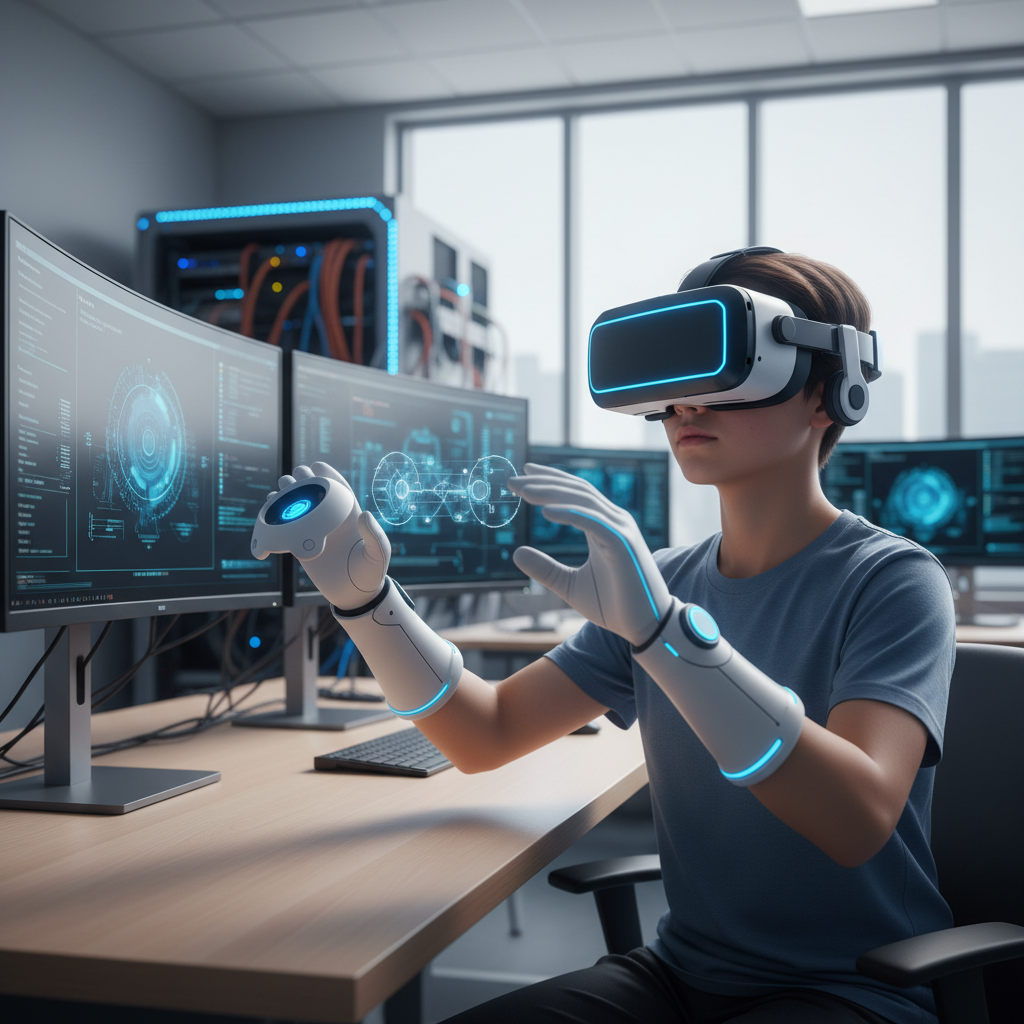
Virtual reality (VR) is transforming the way science is taught. By immersing students in a 3D environment, VR can simulate complex scientific concepts, making them more accessible and easier to grasp. Imagine exploring the solar system or diving into the depths of the ocean—all from the comfort of the classroom.
The Role of Artificial Intelligence
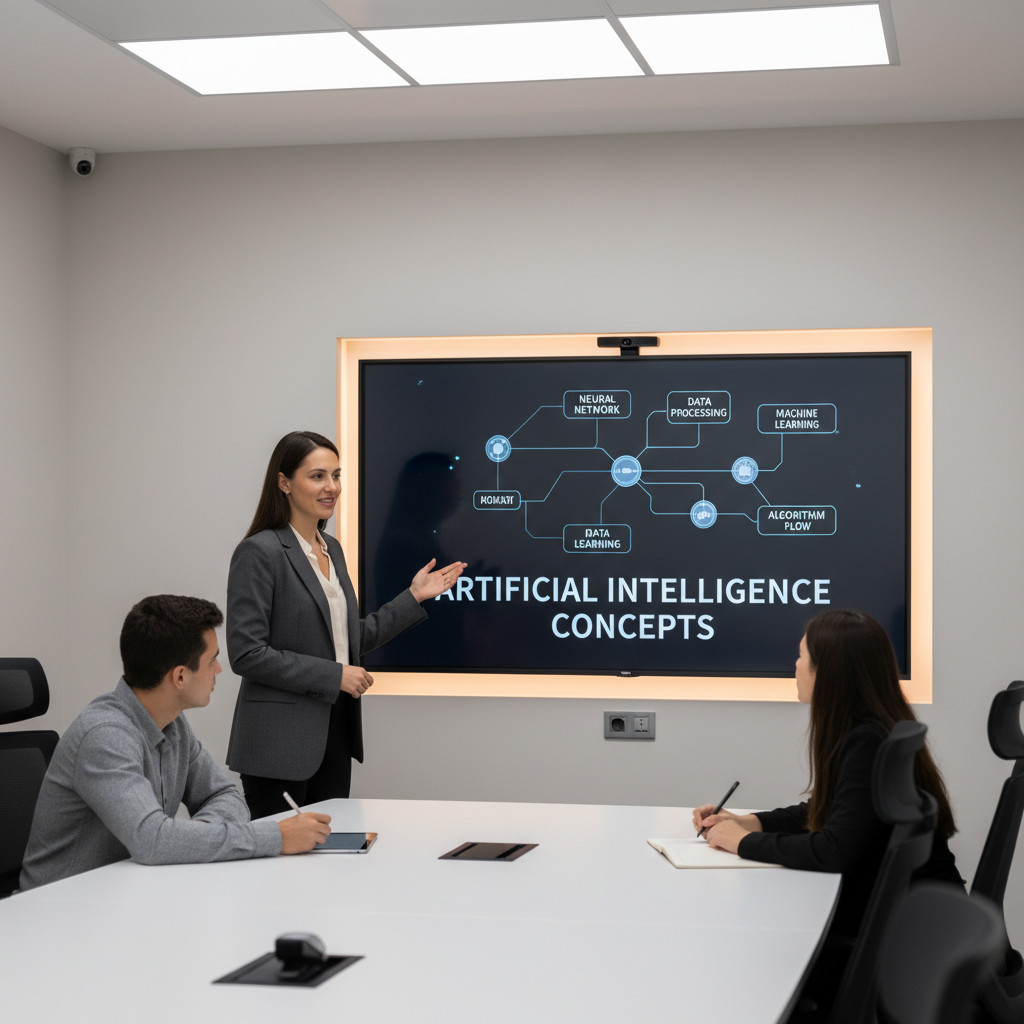
Artificial Intelligence (AI) is another game-changer in science education. AI-powered platforms can personalize learning experiences, adapting to each student's pace and style. This personalized approach ensures that students receive the support they need to excel.
Automated Assessment and Feedback
AI also plays a crucial role in automating assessments and providing instant feedback. By analyzing student performance, AI can identify areas where students struggle and offer targeted resources to help them improve. This real-time feedback loop is invaluable in fostering continuous learning and development.
Collaborative Learning Environments
Collaboration is a key component of modern science education. By fostering a collaborative learning environment, students can work together on projects, share ideas, and develop critical thinking skills. This approach mirrors real-world scientific endeavors, where teamwork is often essential to success.
Online Platforms for Collaboration
Online platforms and tools facilitate collaboration by allowing students to connect with peers and experts worldwide. These platforms support a range of activities, from discussion forums to joint research projects, enhancing the learning experience and broadening students' perspectives.
Looking Ahead: The Future of Science Education
The future of science education is bright, with endless possibilities for innovation. As technology continues to advance, educators and students alike will have access to new tools and methods, making science more accessible and exciting than ever before.

By embracing these innovations, we can ensure that the next generation is well-equipped to tackle the scientific challenges of tomorrow. The journey of exploring and understanding the world around us has never been more thrilling.