DIY Science Experiments at Home: Engaging Activities for Kids


Introduction to DIY Science Experiments
Engaging children in science from an early age fosters curiosity and a love for learning. With the right approach, you can transform your home into a mini-laboratory where kids can explore and discover the magic of science. These DIY science experiments are not only educational but also fun and easy to perform with everyday household items.

Essential Supplies for Home Science
Before diving into experiments, gather some essential supplies. Most of these items are likely already in your kitchen or can be easily found at a local store. Here's a quick checklist:
- Baking soda
- Vinegar
- Food coloring
- Plastic bottles
- Cornstarch
- Measuring cups and spoons
Creating a Volcano
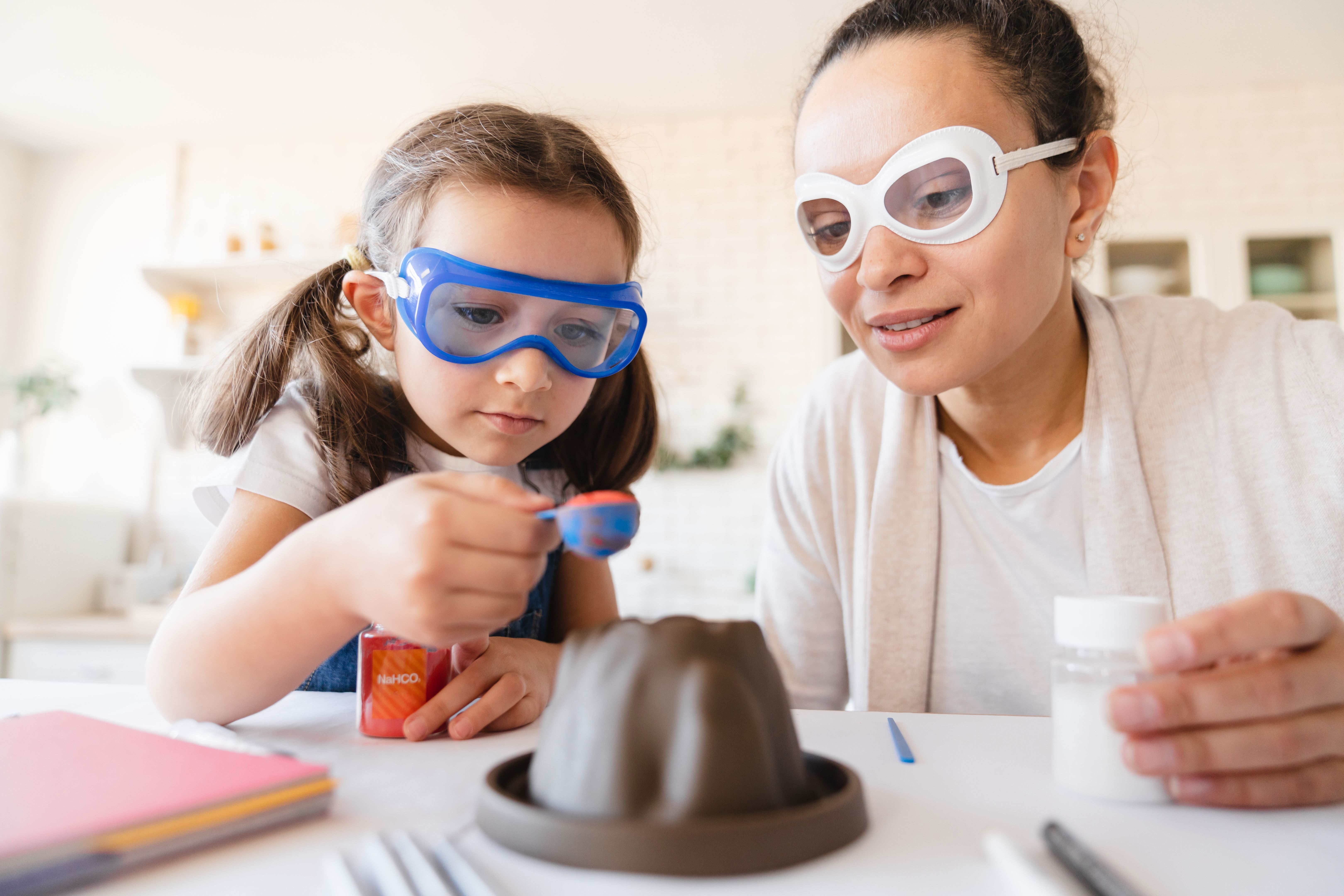
The classic baking soda and vinegar volcano is a staple science experiment that never fails to impress. This activity demonstrates a chemical reaction in a visually exciting way. Here's how you can do it:
- Place a small plastic bottle in the center of a tray.
- Fill the bottle halfway with warm water and a few drops of food coloring.
- Add a few tablespoons of baking soda.
- Quickly pour vinegar into the bottle and watch the eruption!
Exploring Density with Liquid Layers
This experiment allows kids to explore the concept of density by creating a rainbow in a jar. You'll need different liquids like honey, dish soap, water, olive oil, and rubbing alcohol.
Steps to Create Liquid Layers
Layering liquids based on their density can yield beautiful results. Follow these steps:
- Start by pouring honey into the bottom of a clear glass.
- Slowly add dish soap, followed by water mixed with food coloring.
- Next, add olive oil and finally, rubbing alcohol with a different color.
- Observe how the liquids form separate layers due to varying densities.

Magnetic Attraction
Magnetism is a fascinating force that kids love to explore. Using simple magnets, you can perform several experiments that reveal the invisible power of magnetic fields.
Magnetic Maze
Create a magnetic maze using a paper plate and a small magnet. Draw a maze on the plate and place a paperclip on top. Kids can use a magnet under the plate to guide the paperclip through the maze. It's a fun way to understand how magnets work.
Conclusion
Engaging kids in DIY science experiments at home is a fantastic way to encourage learning and creativity. These activities are designed to be both educational and entertaining, providing children with a hands-on approach to discovering the wonders of science. With a little preparation and enthusiasm, you can inspire the next generation of scientists right from your living room.