Debunking Common Science Myths for Students


Introduction
Science is a fascinating and ever-evolving field, yet it is often surrounded by myths and misconceptions. These myths can sometimes hinder learning and understanding, especially for students who are just beginning to explore the wonders of science. In this blog post, we will debunk some common science myths, helping students gain a clearer perspective.

Myth 1: We Only Use 10% of Our Brain
The idea that humans only utilize 10% of their brain capacity is a widespread myth. Neuroscientific research has shown that we use all parts of our brain, and most of the brain is active almost all the time. Even during sleep, various parts of the brain are at work, processing information and maintaining bodily functions.
This myth likely originated from misunderstandings or misinterpretations of neurological research. Modern brain imaging techniques, like fMRI, have demonstrated the extensive use of the brain during various activities, debunking this myth once and for all.

Myth 2: Lightning Never Strikes the Same Place Twice
Another prevalent myth is that lightning never strikes the same place twice. In reality, lightning can and does strike the same location multiple times, especially if that location is a tall, isolated structure. The Empire State Building, for example, is struck by lightning about 25 times a year.
This myth likely persists because people often associate lightning with being random and unpredictable. However, when conditions are right, lightning can be quite predictable in its behavior.

Myth 3: Bats Are Blind
The phrase "blind as a bat" has led many to believe that bats cannot see. In truth, most bats have quite good vision. While they do rely on echolocation to navigate in the dark, their eyes are well-adapted to low-light conditions, allowing them to see at night.
Understanding this helps students appreciate the complex adaptations animals have developed to survive in diverse environments. Bats are fascinating creatures that use both sight and sound to hunt and navigate.
Myth 4: Seasons Are Caused by Earth's Distance from the Sun
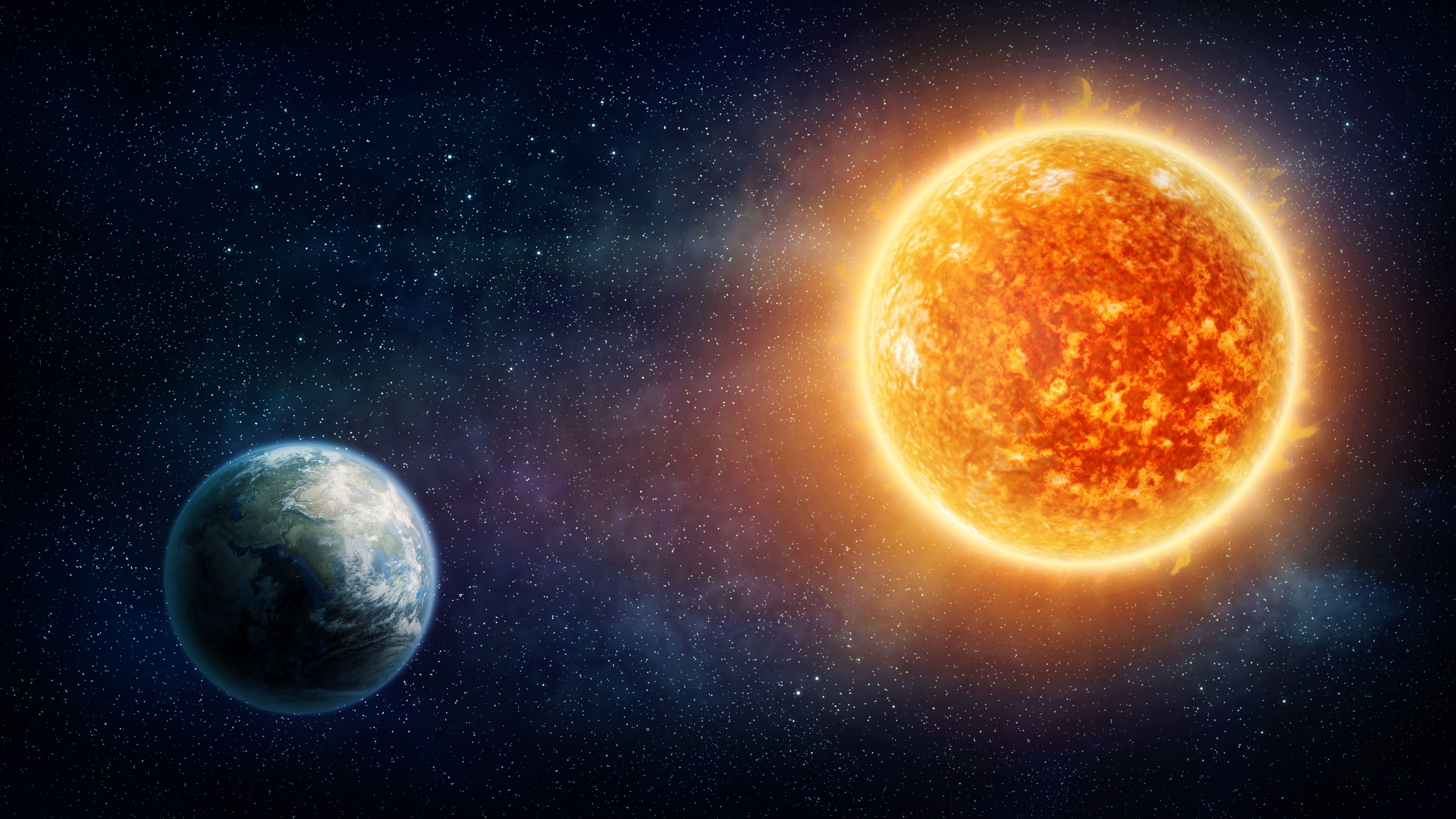
A common misconception is that seasons are the result of Earth being closer or farther from the sun. In reality, seasons are caused by the tilt of Earth's axis. This tilt causes different parts of Earth to receive varying amounts of sunlight throughout the year.
During summer in the Northern Hemisphere, the North Pole is tilted toward the sun, resulting in longer days and more direct sunlight. Conversely, during winter, the North Pole is tilted away, leading to shorter days and less direct sunlight.
Conclusion
Debunking these myths not only clarifies scientific concepts but also encourages critical thinking and curiosity among students. By questioning and exploring, students can gain a deeper appreciation for the complexities of the natural world. As science continues to advance, staying informed and skeptical of myths is more important than ever.